
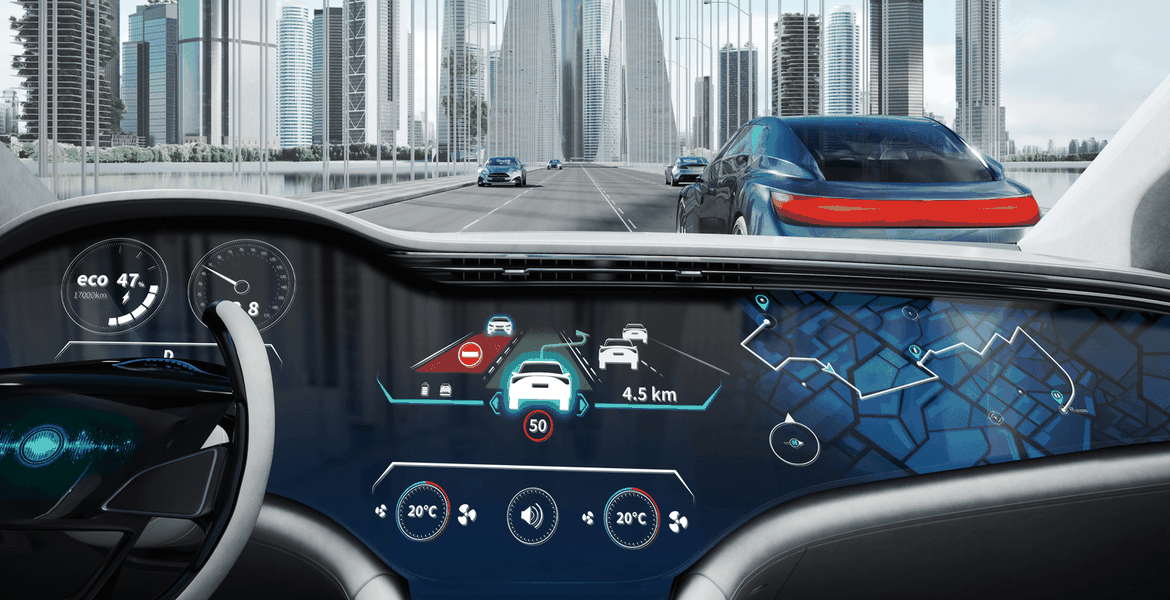
As technology continues to advance at a rapid pace, we're witnessing the emergence of new and exciting fields that are transforming the way we interact with machines. One such area that's gaining significant attention is Physical AI, a field that focuses on creating artificial intelligence systems that can adapt to and interact with their physical environment in real-time. In this blog post, we'll delve into the world of Physical AI, its connections to Edge AI, and how Edge AI software is supporting the development of autonomous systems.
What is Physical AI?
Physical AI brings artificial intelligence into the physical world, enabling systems to sense, interpret, and respond to their surroundings. Using inputs from sensors and cameras, these systems can make context-aware decisions in real time, creating opportunities across areas such as robotics, drones, smart homes, and smart cities.
This is closely connected to Edge AI, where data is processed closer to its source instead of relying on the cloud. By reducing latency and enabling faster local decision-making, Edge AI provides a strong foundation for Physical AI applications. Our DEEPCRAFT™ Edge AI software supports this by helping systems process sensory data and respond at the edge.
Unlocking the Potential of Autonomous Systems
By combining Edge AI with the embodied intelligence of Physical AI, autonomous systems can become more responsive, efficient, and adaptable. This enables machines to:
DEEPCRAFT™ can be useful in creating Edge AI models by simplifying the path from data collection to deployment. For example, it can provide a direct interface with sensors, making it easier to collect and label data, including over Wi-Fi and synchronized with a video feed. This helps developers build datasets that are closely connected to the real-world environments where the model will run. DEEPCRAFT™ can also generate code that is automatically optimized for edge devices, helping models run efficiently within the power, memory, and latency constraints of embedded systems.
We're excited to explore the possibilities of Physical AI and Edge AI, and to see how these technologies can come together to create a new generation of autonomous systems. From robots and drones that can navigate complex environments to smart homes and cities that can respond to the needs of their inhabitants, the potential applications of Physical AI and Edge AI are vast and varied. As we continue to push the boundaries of these technologies, we're confident that they will open up new opportunities for practical innovation.
In conclusion, Physical AI and Edge AI are poised to support the next generation of autonomous systems. By combining localized processing with embodied intelligence, machines can interact with and adapt to their physical environment in real time. Our DEEPCRAFT™ Edge AI software provides the foundation for Physical AI applications to process and respond to sensory data at the edge.